
 ★ 8.0
SkipTheCommercials
Here the ad break is the main programme. This guide gathers 152 films about the business of selling and broadcasting, on twelve channels: ad agencies, brands and spin doctors; newsrooms, talk show hosts and radio voices; game shows, the making of television and the comedies of the dial; and the films that reach through the screen, from haunted sets to reality fame and the ads of the future, with synopses, cast and where to watch.
Channel guide
Ad agenciesAd agencies
Watch the channel (13)★ 8.0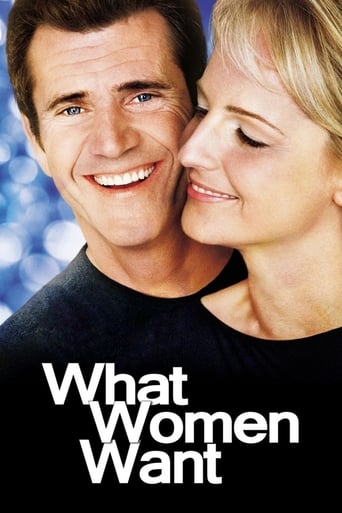 ★ 6.5
 ★ 7.6
 ★ 6.7
 ★ 5.7
 ★ 5.9
 ★ 7.0
 ★ 7.0
 ★ 6.3
 ★ 5.9
 ★ 7.0
 ★ 6.3
Brands and salesmenBrands and salesmen
Watch the channel (13)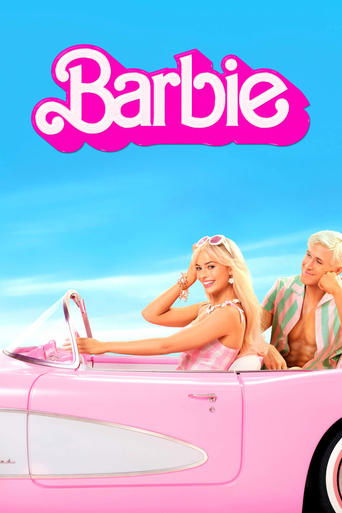 ★ 6.9
 ★ 7.2
 ★ 6.6
 ★ 7.3
 ★ 7.8
 ★ 6.8
 ★ 6.7
 ★ 7.3
 ★ 7.2
 ★ 8.0
 ★ 6.2
 ★ 6.7
Spin doctorsSpin doctors
Watch the channel (13) ★ 6.9
 ★ 6.7
 ★ 6.7
 ★ 7.2
 ★ 6.9
 ★ 7.0
 ★ 7.6
 ★ 5.9
 ★ 6.0
 ★ 6.2
 ★ 6.3
 ★ 5.3
NewsroomsNewsrooms
Watch the channel (13)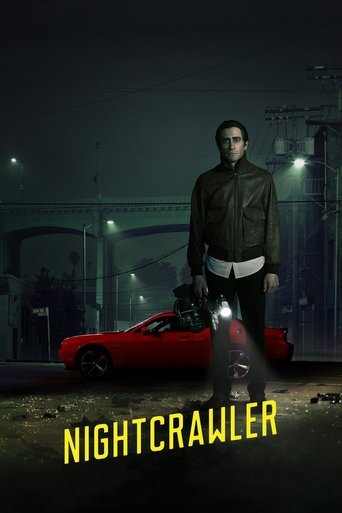 ★ 7.7
 ★ 6.7
 ★ 6.7
 ★ 6.8
 ★ 6.1
 ★ 7.5
 ★ 7.8
 ★ 7.1
 ★ 7.1
 ★ 6.5
 ★ 6.8
 ★ 6.9
Hosts and talk showsHosts and talk shows
Watch the channel (11)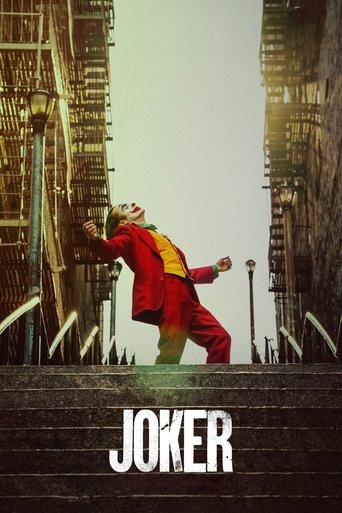 ★ 8.1
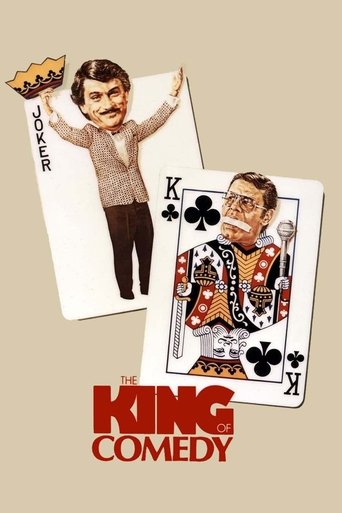 ★ 7.8
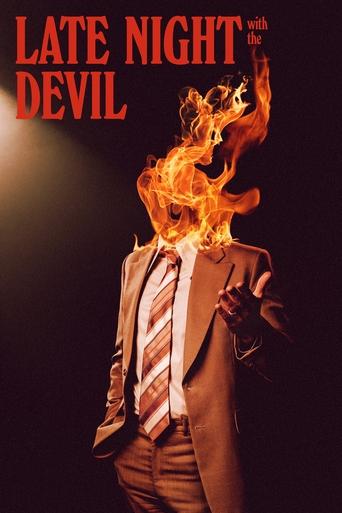 ★ 7.1
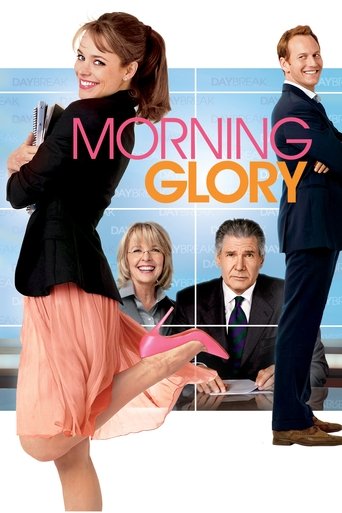 ★ 6.4
 ★ 7.3
 ★ 6.4
 ★ 6.0
 ★ 7.6
 ★ 6.6
 ★ 6.4
 ★ 5.9
On the radioOn the radio
Watch the channel (13)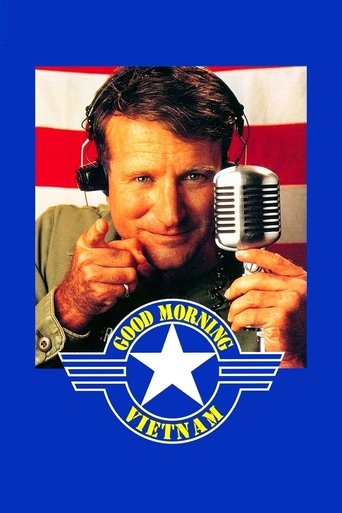 ★ 7.3
 ★ 7.2
 ★ 7.3
 ★ 6.7
 ★ 7.3
 ★ 6.6
 ★ 6.5
 ★ 7.0
 ★ 6.6
 ★ 7.1
 ★ 6.5
 ★ 6.3
Game shows and deadly gamesGame shows and deadly games
Watch the channel (13) ★ 7.2
 ★ 7.4
 ★ 7.7
 ★ 6.3
 ★ 7.7
 ★ 6.5
 ★ 5.7
 ★ 6.7
 ★ 6.7
 ★ 7.2
 ★ 6.3
 ★ 6.2
Making televisionMaking television
Watch the channel (13)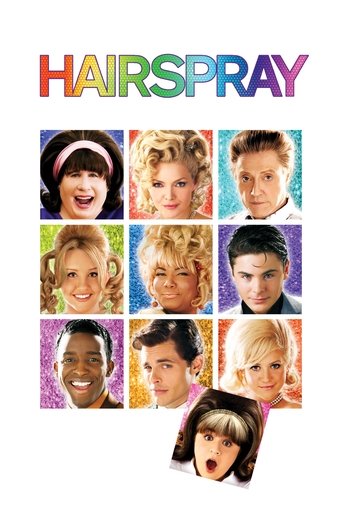 ★ 6.7
 ★ 7.2
 ★ 7.2
 ★ 7.0
 ★ 6.7
 ★ 5.1
 ★ 6.6
 ★ 6.5
 ★ 6.8
 ★ 6.7
 ★ 6.3
 ★ 6.4
Channel surfingChannel surfing
Watch the channel (13)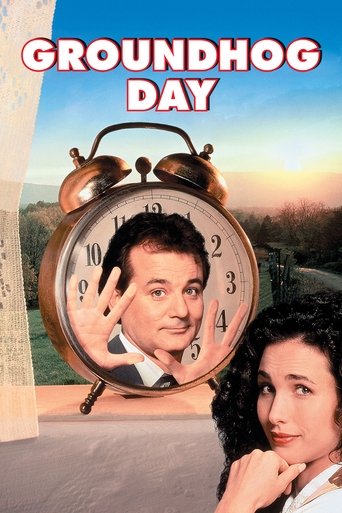 ★ 7.6
 ★ 6.3
 ★ 6.0
 ★ 7.1
 ★ 6.7
 ★ 6.8
 ★ 6.1
 ★ 6.1
 ★ 6.7
 ★ 6.2
 ★ 5.9
 ★ 6.2
Through the screenThrough the screen
Watch the channel (11)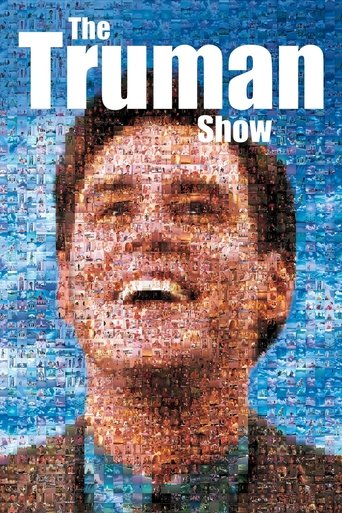 ★ 8.2
 ★ 6.7
 ★ 7.2
 ★ 6.5
 ★ 7.2
 ★ 7.3
 ★ 7.3
 ★ 7.1
 ★ 7.6
 ★ 5.6
 ★ 6.1
Reality, fame and the feedReality, fame and the feed
Watch the channel (13) ★ 7.0
 ★ 5.5
 ★ 5.5
 ★ 7.1
 ★ 6.4
 ★ 6.6
 ★ 6.0
 ★ 6.4
 ★ 6.1
 ★ 6.3
 ★ 5.1
 ★ 6.2
Ads of the futureAds of the future
Watch the channel (13) ★ 8.1
 ★ 7.6
 ★ 7.9
 ★ 7.4
 ★ 7.3
 ★ 7.4
 ★ 7.1
 ★ 6.8
 ★ 6.4
 ★ 7.3
 ★ 7.1
 ★ 6.4
The SkipTheCommercials guide
SkipTheCommercials: the films where the ad break is the show
The ad break as the main programme
For most viewers the commercial break is the part of the evening to skip: the moment to fetch a drink, to change the channel or to press the button that jumps thirty seconds ahead. For the cinema it has been a rich subject for more than seventy years. Hollywood has made films about the men in grey flannel suits who invent the slogans, about the salesmen who push a product from door to door, about the anchors who read the news between two advertisements, about the hosts who sell a sponsor's soap with a smile, about the game shows that keep the audience waiting through the break, and about the future in which every wall, every car and every pair of glasses carries an advertisement. This guide turns the break into the main programme.
SkipTheCommercials gathers 152 films about the business of selling and broadcasting, from Mr. Blandings Builds His Dream House, of 1948, to the second version of The Running Man, of 2025. It sorts them on twelve channels, in four families, and gives each one its English synopsis, its cast and director, and a Watch now button that opens it on JustWatch, where you can see the services that offer it in your country. The guide Start with SkipTheCommercials picks one film from each family, and the guide How the channels work explains the rules of the selection.
The four families follow the path of a message from the agency to the viewer. The ad break holds the people who make the message: the advertising agencies, the brands and their salesmen, and the spin doctors of politics. On the air holds the people who broadcast it: the newsrooms, the hosts of talk shows and the voices of the radio. Prime time holds the programmes themselves: game shows, the making of television and the comedies of the channels. And Out of the box holds the films in which the screen reaches out to the viewer, from haunted sets to reality fame and the advertisements of the future. Together the films carry about 445,700 votes on TMDB, with an average rating of 6.72; the most voted is Joker, whose hero dreams of appearing on a late-night talk show, and the best rated is The Truman Show, the man whose whole life is a television programme paid for by product placement.
The name and the look
The name of the site promised viewers a way around the advertisements, and the Wayback Machine keeps only a parked page of 2011 and a few empty pages from 2013 to 2016 under skipthecommercials.com, and the other endings of the name return empty results, so the old site has left this guide only its name. This guide reads the name in its own way, as a guide to the films where the commercials are the story, and its look is an original one, built around the objects of broadcasting. The header is black, like the bezel of an old television set, with a thin red line beneath it like the lamp that lights up in a studio when the cameras are rolling, and the logo shows a small television with a play and skip symbol in yellow and a red ON AIR dot.
The page itself is the light grey of a studio wall. The introduction sits on a white card with a dark Skip ad button in the corner, the kind that appears on a video after five seconds of advertising. The board of the home page is a channel guide: a black grid of twelve boxes, each with a yellow channel number from 01 to 12, the family in red, the full name of the channel and the number of films. Each channel then has its own white panel, headed by a red ON AIR dot and closed by a yellow Watch the channel button, and each poster carries at the bottom a dark band with the tag of its channel, such as Ad agency or Newsroom, followed by the skip symbol. The guide The look of SkipTheCommercials explains each colour: studio grey, bezel black, on-air red and skip yellow.
How the channels work
Every film of the guide is about advertising, broadcasting or the screen itself: either its characters work in the business, as admen, salesmen, reporters, hosts, disc jockeys, producers or contestants, or its story turns on what the screen does to the people who watch it. The films were chosen by hand from TMDB, and each one sits on a single channel, the one that matches its main subject; Network, for example, could sit on several channels, but its heart is the newsroom of a television network, so it sits among the newsrooms. Each channel keeps its most voted films, up to thirteen, and lists them by votes, so that the best known films come first and the rarer ones follow.
The selection is mostly American, as the subject is: 115 of the 152 films were first produced in the United States, fifteen in Britain and eight in Canada. Five films are in other languages than English, the French satire of advertising 99 Francs, the Austrian Funny Games, in German, the Japanese Ring, the Polish Sweat and the Russian Branded. Films of every genre are welcome: the comedies are the largest group, 82 films, gathered in the collection Comedies, but the guide also has thrillers, horror films, science fiction, biographies and one documentary, Super Size Me. The guide How the channels work sums up the rules.
The ad break
The first family, The ad break, gathers 39 films about the people who make the message: the copywriters and art directors of the agencies, the inventors and salesmen of the brands, and the spin doctors who sell candidates and causes as if they were soap. Its films carry about 67,100 votes, with an average of 6.71, and they cover almost eighty years, from the ad men of Madison Avenue after the war to the brand biographies of the 2020s. The guide The ad break sums them up.
Ad agencies
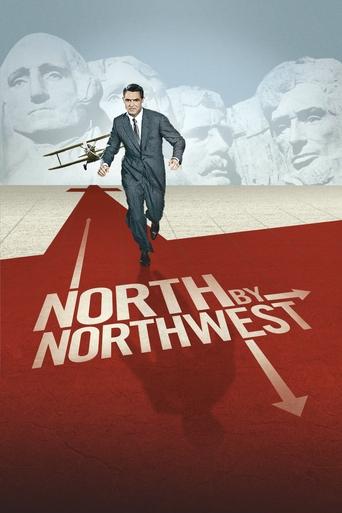
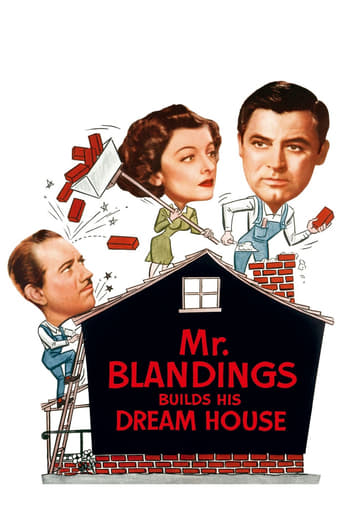
The channel Ad agencies holds thirteen films from 1948 to 2007 set in the advertising business, and it begins with the most famous ad man of the cinema. In North by Northwest, of 1959, by Alfred Hitchcock, Cary Grant plays Roger Thornhill, a Madison Avenue executive mistaken for a government agent, who runs from a cocktail bar in New York to a cornfield in Indiana and the faces of Mount Rushmore; with an 8.0 and about 4,700 votes, it is the best rated and most voted film of the channel. Grant was an ad man once before, in Mr. Blandings Builds His Dream House, of 1948, the oldest film of the guide, as a New York copywriter who leaves the city to build a house in Connecticut and has to find a slogan for a brand of ham while the bills pile up.
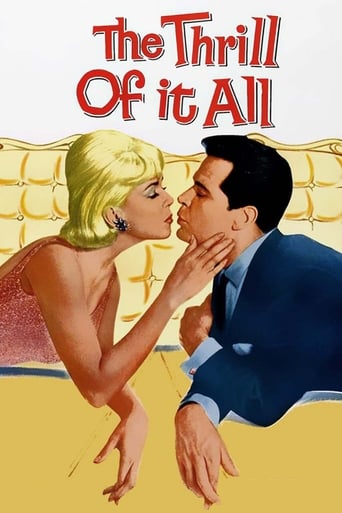
The comedies of the 1950s and 1960s made the agency a place of glamour and trickery. Will Success Spoil Rock Hunter?, of 1957, by Frank Tashlin, sends Tony Randall to win a film star, played by Jayne Mansfield, for a lipstick campaign; in Lover Come Back, of 1961, Rock Hudson and Doris Day play rival executives, and he invents a campaign for a product that has yet to exist; in The Thrill of It All, of 1963, by Norman Jewison, Doris Day plays a housewife who becomes the star of the television commercials for a soap, to the dismay of her husband, played by James Garner. Putney Swope, of 1969, by Robert Downey Sr., turned the genre upside down: the only Black member of the board of an agency is elected chairman by mistake and renames the firm Truth and Soul.
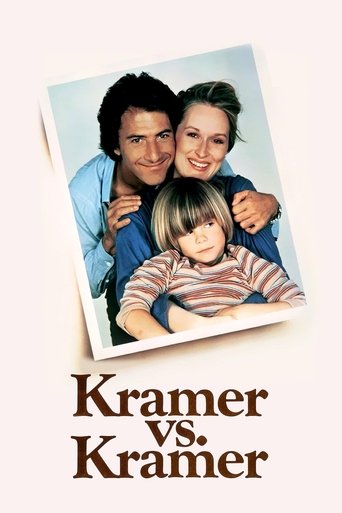
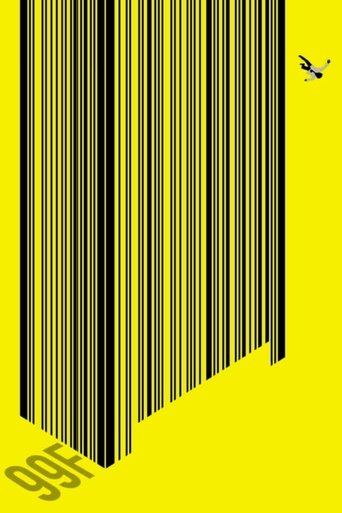
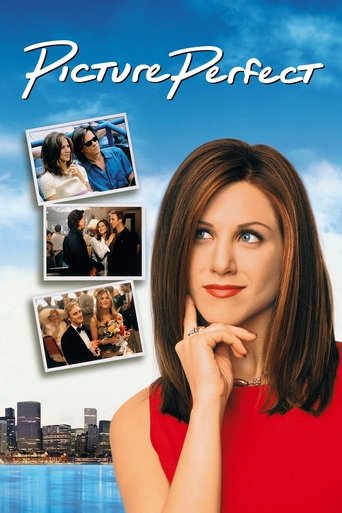
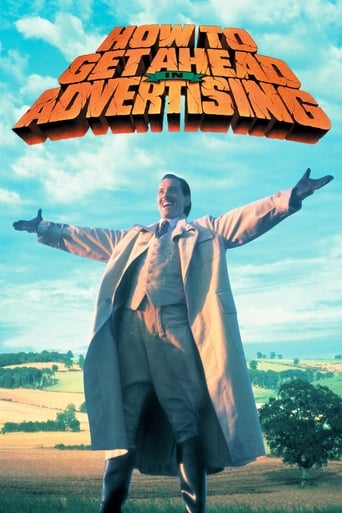
The later films look at what the job does to the people who do it. Kramer vs. Kramer, of 1979, by Robert Benton, the winner of the Academy Award for best picture, with a 7.6, follows an ad man, played by Dustin Hoffman, who learns to raise his son alone after his wife leaves; How to Get Ahead in Advertising, of 1989, by Bruce Robinson, gives Richard E. Grant a talking boil on his neck while he struggles with a campaign for a pimple cream; and Crazy People, of 1990, sends Dudley Moore to a sanatorium for writing honest advertisements, where the patients turn out to be brilliant copywriters. The romantic comedies are Boomerang, of 1992, with Eddie Murphy as a marketing executive who meets his match; Picture Perfect, of 1997, with Jennifer Aniston inventing a fiancé to win a promotion, and What Women Want, of 2000, by Nancy Meyers, with Mel Gibson as an executive who can suddenly hear the thoughts of women and uses them to win back his campaigns from his new boss, played by Helen Hunt. The French 99 Francs, of 2007, by Jan Kounen, with Jean Dujardin, from the novel of Frédéric Beigbeder, the newest film of the channel, is the darkest satire of the agency world in the guide.
Brands and salesmen
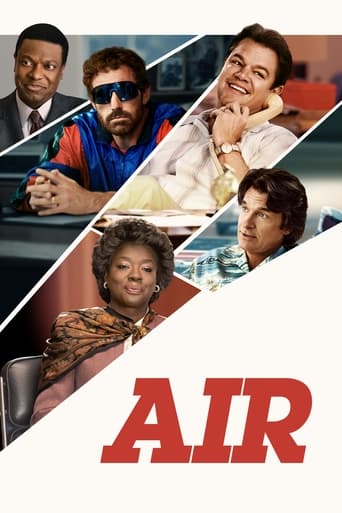
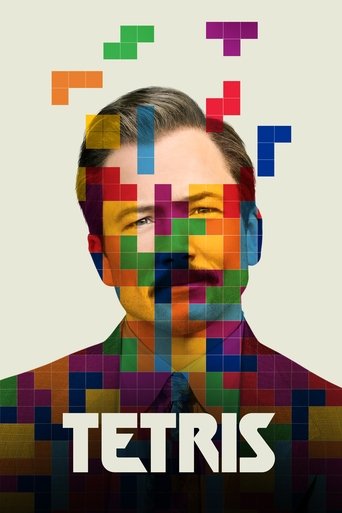
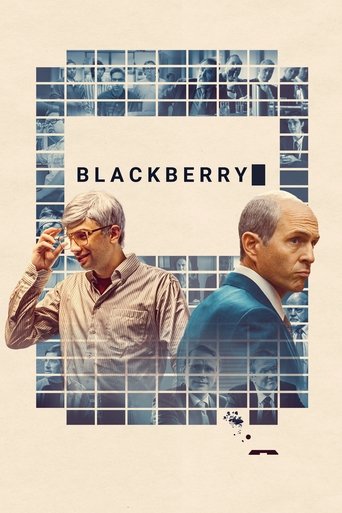
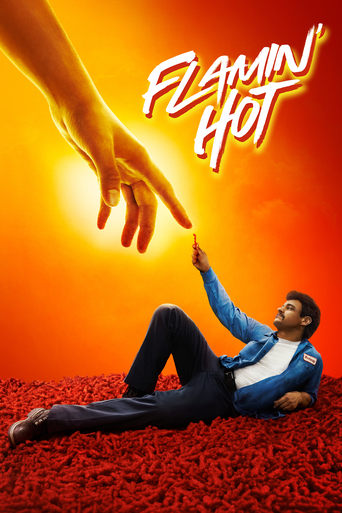
The channel Brands and salesmen holds thirteen films from 1988 to 2024 about the people who invent, sell or embody a product, and it is the channel of the brand biography, a genre that boomed in 2023, the year of five of its films. The most voted is Barbie, of 2023, by Greta Gerwig, with Margot Robbie as the doll and Ryan Gosling as Ken, a comedy about the most famous toy of Mattel that became the biggest hit of its year; the best rated is Flamin' Hot, of 2023, the first feature film directed by Eva Longoria, with an 8.0, the story of Richard Montañez, a janitor of Frito-Lay who says he invented the spicy Cheetos, an account the company itself disputes. Tetris, of 2023, with a 7.8, follows Taron Egerton as Henk Rogers, the salesman who crossed the Iron Curtain to buy the rights of the video game, and Air, of 2023, by Ben Affleck, with Matt Damon, tells how Nike signed the young Michael Jordan in 1984 and created the Air Jordan shoe. BlackBerry, of 2023, with Jay Baruchel and Glenn Howerton, tells the rise and fall of the Canadian smartphone. The guide The brand biographies follows the genre.
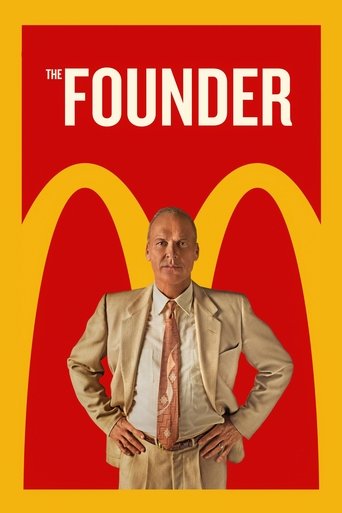
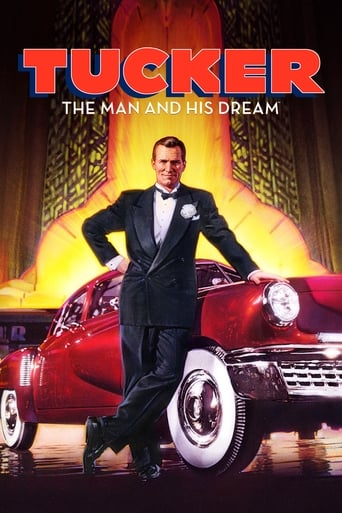
The older stories of the channel follow the founders. The Founder, of 2016, with Michael Keaton as Ray Kroc, tells how a milkshake-machine salesman took the restaurant of the McDonald brothers and made it a world empire; Joy, of 2015, by David O. Russell, follows Jennifer Lawrence as Joy Mangano, who sold her Miracle Mop on the shopping channel QVC; Tucker: The Man and His Dream, of 1988, by Francis Ford Coppola, the oldest film of the channel, follows Jeff Bridges as Preston Tucker, the car maker who challenged Detroit in 1948, and Unfrosted, of 2024, the first film directed by Jerry Seinfeld, turns the race between Kellogg's and Post to invent the Pop-Tart into a farce.
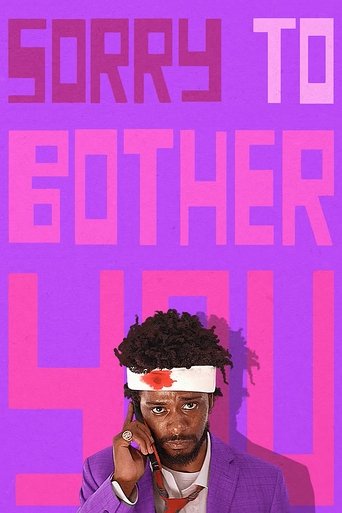
The salesmen of the channel live by the pitch. Glengarry Glen Ross, of 1992, by James Foley, from the play of David Mamet, with Al Pacino and Jack Lemmon, follows four real estate salesmen in Chicago over two days in which only the best two will keep their jobs; Sorry to Bother You, of 2018, by Boots Riley, with LaKeith Stanfield, follows a telemarketer in Oakland who climbs the ladder of his company when he learns to use a white voice on the phone, and The Joneses, of 2010, with David Duchovny and Demi Moore, imagines a perfect family that moves into a rich suburb as undercover salespeople, paid to make the neighbours want everything they own. Super Size Me, of 2004, the only documentary of the guide, completes the channel: Morgan Spurlock eats only at McDonald's for thirty days and films what happens to his body.
Spin doctors
The channel Spin doctors holds thirteen films from 1957 to 2020 about the people who sell politicians, causes and celebrities to the public. The best rated is Sweet Smell of Success, of 1957, by Alexander Mackendrick, with a 7.6: Tony Curtis plays Sidney Falco, a press agent who will do anything for a mention in the column of J. J. Hunsecker, the most powerful columnist of New York, played by Burt Lancaster, in a black and white Manhattan of jazz clubs and neon. The most voted is Phone Booth, of 2003, by Joel Schumacher, with Colin Farrell as a slick New York publicist trapped in a phone booth by a sniper, played by Kiefer Sutherland; at 81 minutes it is one of the shortest films of the guide.
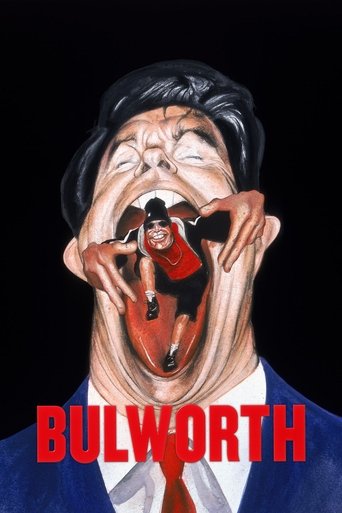
The political films begin with The Candidate, of 1972, by Michael Ritchie, with Robert Redford as an idealistic lawyer turned into a Senate candidate by a campaign manager, played by Peter Boyle; its screenplay won the Academy Award. Wag the Dog, of 1997, by Barry Levinson, imagines a spin doctor, played by Robert De Niro, and a Hollywood producer, played by Dustin Hoffman, who invent a war in Albania to distract the country from a presidential scandal, and Primary Colors, of 1998, by Mike Nichols, follows the campaign of a Southern governor who resembles Bill Clinton, played by John Travolta, with Emma Thompson as his wife; at 143 minutes it is the longest film of the channel. Bulworth, of 1998, by and with Warren Beatty, follows a senator who starts telling the truth in rhyme; The Ides of March, of 2011, by George Clooney, follows a young press secretary, played by Ryan Gosling, in a presidential primary in Ohio; Our Brand Is Crisis, of 2015, with Sandra Bullock, sends American consultants to an election in Bolivia, and Irresistible, of 2020, by Jon Stewart, sends a Democratic strategist, played by Steve Carell, to a small town of Wisconsin.
The comedies of spin come from Britain and from Washington. In the Loop, of 2009, by Armando Iannucci, with Peter Capaldi as the furious director of communications Malcolm Tucker, follows British and American officials talking themselves into a war; Thank You for Smoking, of 2005, by Jason Reitman, with Aaron Eckhart as Nick Naylor, the cheerful spokesman of the tobacco lobby, with a 7.2; Long Shot, of 2019, with Seth Rogen as a journalist who becomes the speechwriter of a Secretary of State, played by Charlize Theron, and Absolutely Fabulous: The Movie, of 2016, with Jennifer Saunders as Edina Monsoon, the public relations agent of London fashion, and Joanna Lumley as her friend Patsy.
On the air
The second family, On the air, gathers 37 films about the people who broadcast: the reporters and anchors of the newsrooms, the hosts of the talk shows and the voices of the radio, from the disc jockeys of the night to the pirates of the airwaves. Its films carry about 97,200 votes, with an average of 6.89, the best average of the four families, and they hold most of the great performances of the guide, from Faye Dunaway in Network to Joaquin Phoenix in Joker. The guide On the air sums them up.
Newsrooms
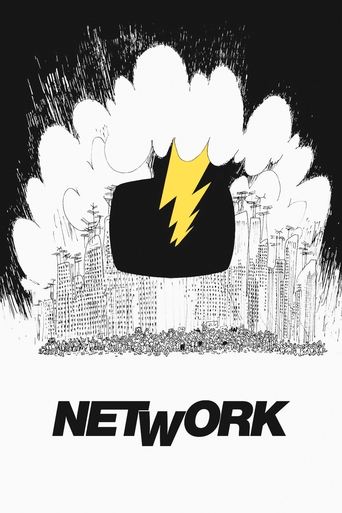
The channel Newsrooms holds thirteen films from 1976 to 2019 about television news, and its best rated film is the most famous of the subject. Network, of 1976, by Sidney Lumet, from the screenplay of Paddy Chayefsky, with a 7.8, follows a news anchor who announces his suicide on the air and becomes a prophet of the ratings, and the programme director, played by Faye Dunaway, who turns his rage into a hit; it won four Academy Awards, for Dunaway, Peter Finch, Beatrice Straight and Chayefsky, and its satire of a television that sells anything has only grown more famous with the years. The most voted film of the channel is Nightcrawler, of 2014, by Dan Gilroy, with a 7.7 and about 12,200 votes: Jake Gyllenhaal plays Lou Bloom, a man who films car crashes and crimes at night in Los Angeles and sells the footage to a morning news director, played by Rene Russo.
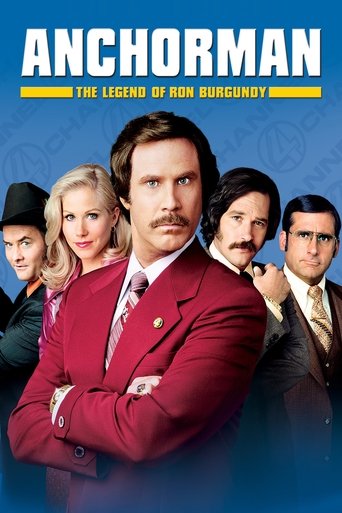
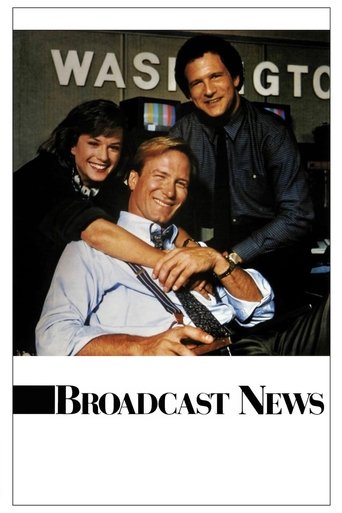
The comedies of the newsroom are led by Bruce Almighty, of 2003, with Jim Carrey as a television reporter in Buffalo who receives the powers of God, played by Morgan Freeman, and the two films of Adam McKay with Will Ferrell as Ron Burgundy, the vain anchorman of San Diego in the 1970s: Anchorman: The Legend of Ron Burgundy, of 2004, with Christina Applegate as the rival who wants his chair, and Anchorman 2: The Legend Continues, of 2013, which sends the team to New York to invent the round-the-clock news channel. Broadcast News, of 1987, by James L. Brooks, with Holly Hunter, William Hurt and Albert Brooks, is the romantic comedy of a network news bureau in Washington, a triangle between a brilliant producer, a handsome anchor and a gifted reporter.
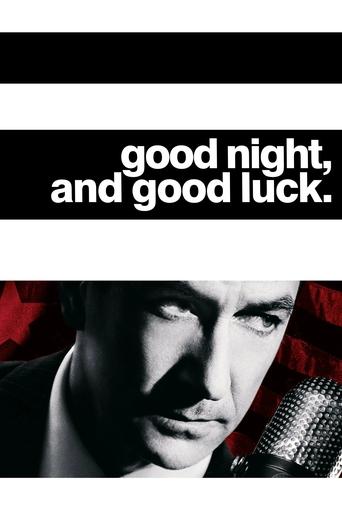
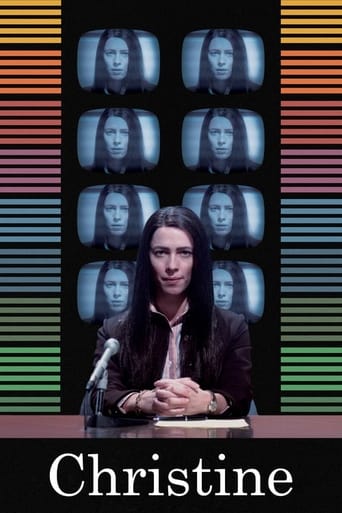
The true stories of the channel are about the courage, and the failures, of the news. Good Night, and Good Luck., of 2005, by George Clooney, filmed in black and white, follows the reporter Edward R. Murrow, played by David Strathairn, in his fight against Senator Joseph McCarthy in 1954; The Insider, of 1999, by Michael Mann, with Al Pacino as a producer of 60 Minutes and Russell Crowe as the tobacco scientist who becomes his source, is at 158 minutes the longest film of the channel; Truth, of 2015, with Cate Blanchett as the producer Mary Mapes and Robert Redford as the anchor Dan Rather, tells the report of 2004 that ended their careers at CBS, and Bombshell, of 2019, by Jay Roach, with Charlize Theron, Nicole Kidman and Margot Robbie, tells how the women of Fox News brought down its chairman in 2016. Christine, of 2016, with Rebecca Hall, tells the sad story of Christine Chubbuck, a television reporter in Florida in 1974.
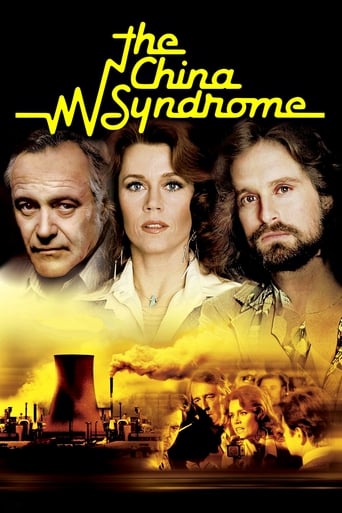
Two thrillers complete the channel. The China Syndrome, of 1979, with Jane Fonda as a television reporter and Michael Douglas as her cameraman, who witness an accident at a nuclear plant, was released twelve days before the accident of Three Mile Island, and Mad City, of 1997, by Costa-Gavras, with John Travolta as a desperate museum guard who takes hostages and Dustin Hoffman as the reporter who turns the siege into a show.
Hosts and talk shows
The channel Hosts and talk shows holds eleven films from 1957 to 2024 about the stars of the studio couch, and Robert De Niro sits on both sides of it. In The King of Comedy, of 1982, by Martin Scorsese, with a 7.8, he plays Rupert Pupkin, an aspiring comedian who kidnaps his idol, the talk show host Jerry Langford, played by Jerry Lewis, to get a spot on the show; in Joker, of 2019, by Todd Phillips, he is the host, Murray Franklin, and the failed comedian is Arthur Fleck, played by Joaquin Phoenix, who won the Academy Award for the role. With an 8.1 and about 28,500 votes, Joker is the most voted film of the whole guide.
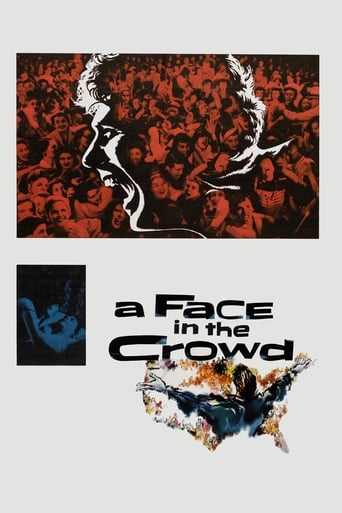
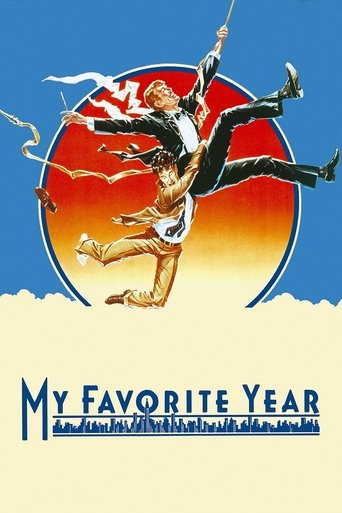
The oldest host of the channel is the most dangerous. A Face in the Crowd, of 1957, by Elia Kazan, with a 7.6, follows Lonesome Rhodes, a drifter discovered in a county jail by a radio producer, played by Patricia Neal, who becomes a star of television and a power in politics; Andy Griffith plays him with a charm that turns frightening. My Favorite Year, of 1982, with Peter O'Toole as a drunken film star booked as the guest of a live comedy show in 1954, recalls the golden age of the variety shows, and Mr. Saturday Night, of 1992, the first film directed by Billy Crystal, follows a comedian of the Catskills through fifty years of television.
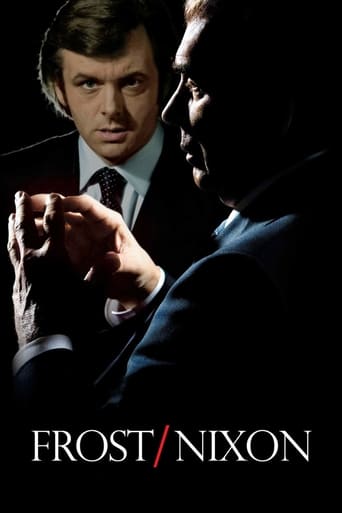
The modern hosts face other crises. Frost/Nixon, of 2008, by Ron Howard, with Frank Langella and Michael Sheen, with a 7.3, tells the interviews of 1977 in which the British talk show host David Frost drew from Richard Nixon an admission of his failures; The Late Shift, of 1996, a television film of HBO, tells the battle between Jay Leno and David Letterman for The Tonight Show; Late Night, of 2019, with Emma Thompson as a host about to lose her show and Mindy Kaling as her new writer, and Morning Glory, of 2010, with Rachel McAdams as the producer of a failing breakfast show and Harrison Ford as the grumpy anchor she hires. Man of the Year, of 2006, by Barry Levinson, imagines a talk show host, played by Robin Williams, elected president because of an error in the voting machines, and Late Night with the Devil, of 2024, the newest film of the channel, presents the lost tape of a talk show of Halloween 1977 in which the host, played by David Dastmalchian, invites a possessed girl onto the stage.
On the radio
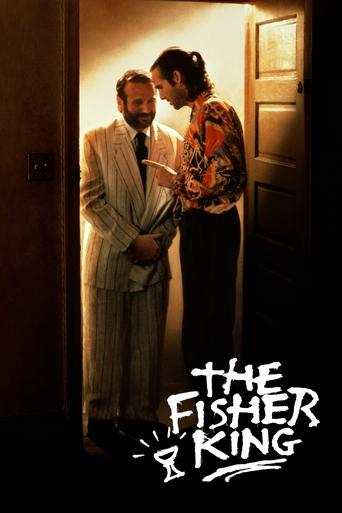
The channel On the radio holds thirteen films from 1971 to 2019 about the voices of the air. The most voted is Good Morning, Vietnam, of 1987, by Barry Levinson, with Robin Williams as Adrian Cronauer, the disc jockey of the Armed Forces Radio in Saigon in 1965, whose improvised shows drive his superiors mad. Robin Williams appears in two more films of the family, The Fisher King and Man of the Year, and Barry Levinson directed three films of the guide, Good Morning, Vietnam, Wag the Dog and Man of the Year. The Fisher King, of 1991, by Terry Gilliam, with a 7.3, follows a shock jock, played by Jeff Bridges, who falls apart after one of his callers commits a massacre, and finds redemption with a homeless man, played by Williams.
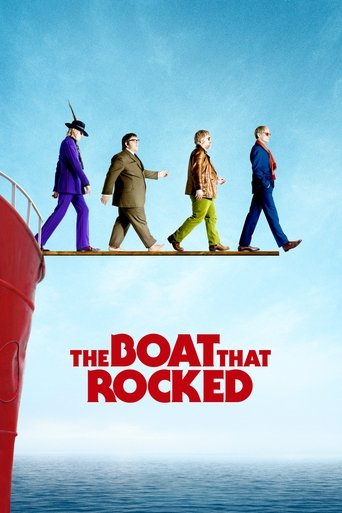
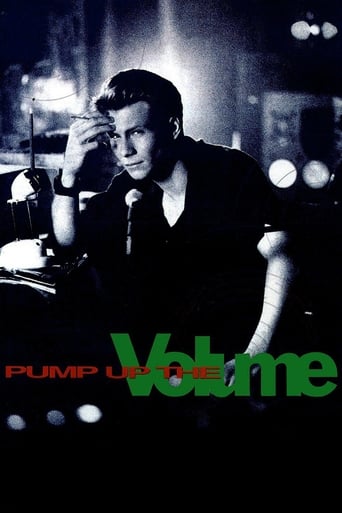
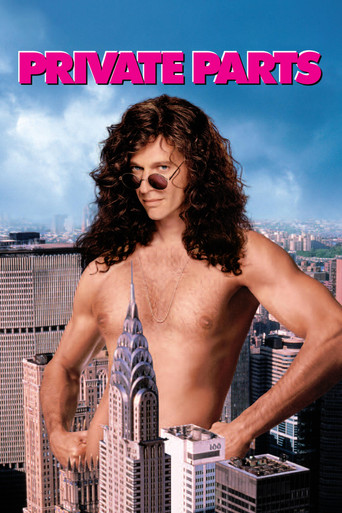
The rebels of the radio are the pirates. The Boat That Rocked, of 2009, by Richard Curtis, with Philip Seymour Hoffman, follows a pirate station anchored in the North Sea in 1966, when the BBC played very little pop music, and Pump Up the Volume, of 1990, with Christian Slater, follows a shy teenager in Arizona who becomes a hero of his school with a secret station in his basement. The shock jocks are Talk Radio, of 1988, by Oliver Stone, with Eric Bogosian as a provocative host in Dallas, and Private Parts, of 1997, with Howard Stern as himself, directed by Betty Thomas, who also directed The Late Shift.
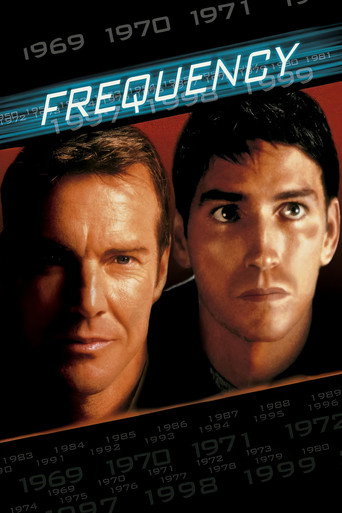
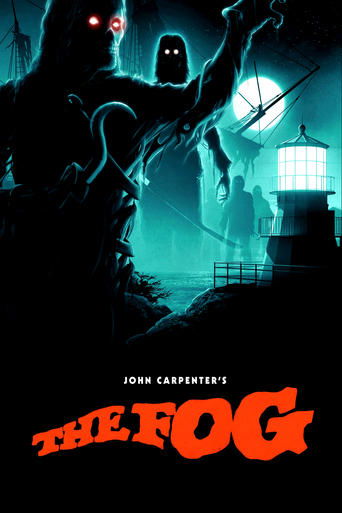
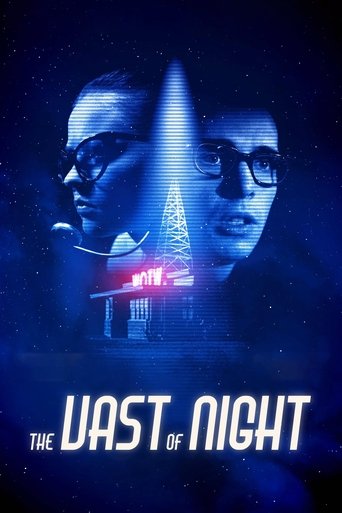
The radio is also a place of fear and of nostalgia. Play Misty for Me, of 1971, the oldest film of the channel and the first directed by Clint Eastwood, follows a disc jockey in California stalked by a fan who keeps asking for the same song; The Fog, of 1980, by John Carpenter, with Adrienne Barbeau as a disc jockey who broadcasts from a lighthouse as a glowing fog swallows her town; Pontypool, of 2009, traps a radio host in his studio in a small town of Ontario while a strange virus spreads through the words people speak, and The Vast of Night, of 2019, follows a switchboard operator and a radio host in New Mexico in the 1950s who catch a mysterious signal. Frequency, of 2000, with a 7.3, links a son, played by Jim Caviezel, with his father, played by Dennis Quaid, across thirty years through an old ham radio. The nostalgia belongs to Radio Days, of 1987, by Woody Allen, a memory of a family of Queens in the golden age of radio, and to A Prairie Home Companion, of 2006, the last film of Robert Altman, about the final evening of a radio variety show in Minnesota, with Meryl Streep, Lily Tomlin and Garrison Keillor.
Prime time
The third family, Prime time, gathers 39 films about the programmes themselves: the game shows that turn contestants into stars or victims, the backstage stories of the series and variety shows that made television history, and the comedies that parody the channels, the weather report and the remote control. Its films carry about 120,100 votes, with an average of 6.57, and its most voted titles are the two first films of The Hunger Games. The guide Prime time sums them up.
Game shows and deadly games
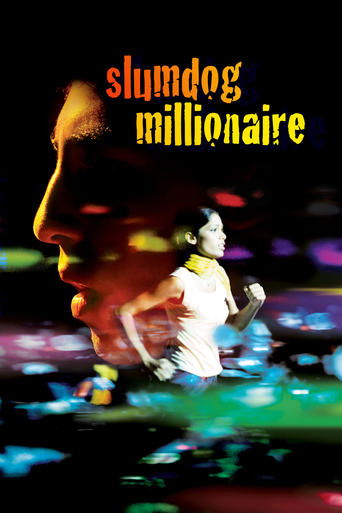
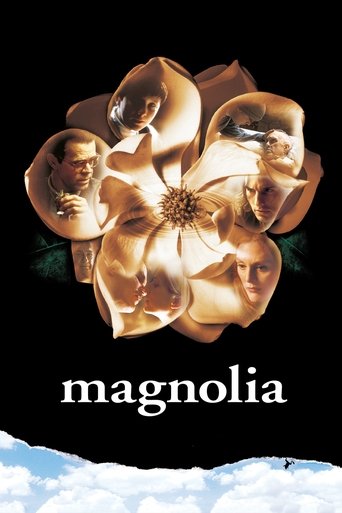
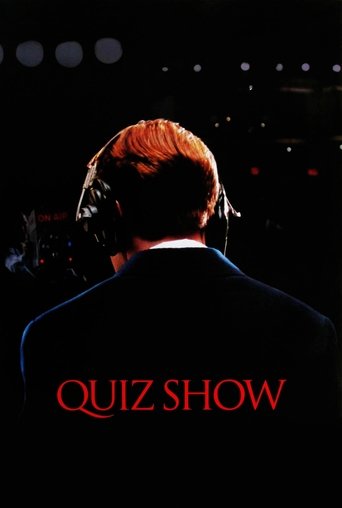
The channel Game shows and deadly games holds thirteen films from 1975 to 2025 about the contests of television, from the quiz to the arena. Its true stories are about the quiz shows. Quiz Show, of 1994, by Robert Redford, tells the scandal of Twenty-One in 1958, when the producers of the programme fed the answers to a handsome professor, Charles Van Doren, and dropped the less telegenic champion, Herb Stempel, played by John Turturro; Confessions of a Dangerous Mind, of 2002, the first film directed by George Clooney, with Sam Rockwell, tells the strange memoir of Chuck Barris, the creator of The Dating Game and The Gong Show, who claimed to have worked as a killer for the CIA. Slumdog Millionaire, of 2008, by Danny Boyle, with Dev Patel, the winner of eight Academy Awards including best picture, follows a young man from the slums of Mumbai who answers every question of the Indian version of Who Wants to Be a Millionaire, each answer a memory of his life; with a 7.7, it shares the best rating of the channel with Magnolia, of 1999, by Paul Thomas Anderson, in which a quiz show for children links a handful of lives in the San Fernando Valley in a single day. At 189 minutes, Magnolia is the longest film of the guide.
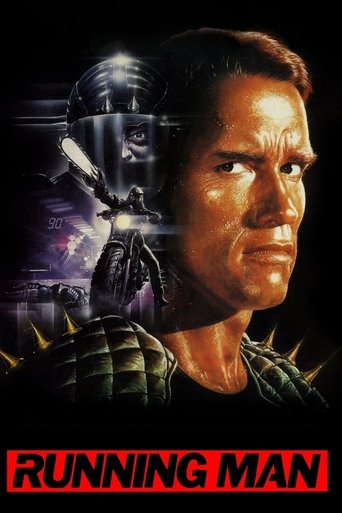
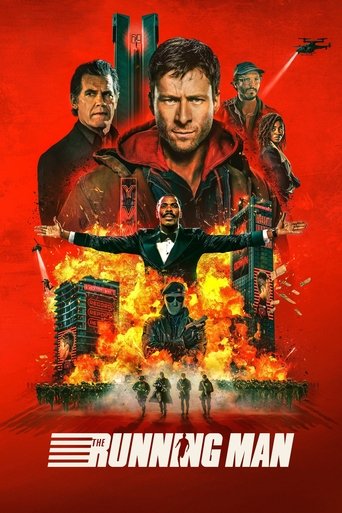
The deadly games are the future of the format. The Hunger Games, of 2012, by Gary Ross, the most voted film of the channel, with about 23,900 votes, and The Hunger Games: Catching Fire, of 2013, by Francis Lawrence, with a 7.4, follow Jennifer Lawrence as Katniss Everdeen, chosen to fight to the death in a televised show watched by the whole nation of Panem; Woody Harrelson plays her mentor in both, and he is billed in five films of the guide in all, more than any other actor. The Running Man appears twice, from the novel that Stephen King published under the name of Richard Bachman: in the version of 1987, with Arnold Schwarzenegger, the host is played by Richard Dawson, a real game show host, and in the version of 2025, by Edgar Wright, the newest film of the guide, Glen Powell runs and Colman Domingo hosts. The guide The quiz and the arena follows the game show from Twenty-One to Panem.
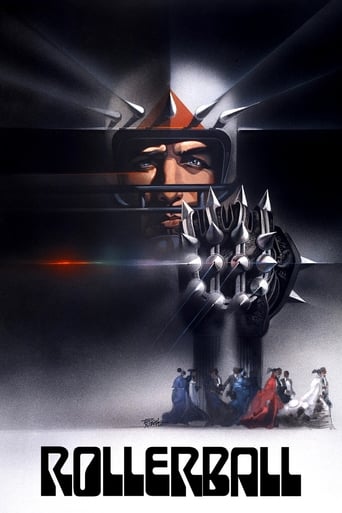
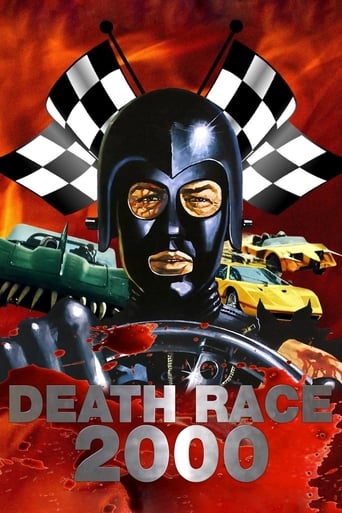
The 1970s invented the genre. Rollerball, of 1975, by Norman Jewison, with James Caan, imagines a world ruled by corporations that keeps its people calm with a brutal televised sport, and Death Race 2000, of 1975, by Paul Bartel, with David Carradine and a young Sylvester Stallone, turns a coast-to-coast car race into a show in which the drivers score points for running over pedestrians; it was remade as Death Race, of 2008, with Jason Statham, in which the race is broadcast from a prison. Gamer, of 2009, with Gerard Butler, imagines prisoners controlled by the players of an online game, and Series 7, of 2001, an early parody of reality television, follows the contestants of a show in which the last one alive wins.
Making television
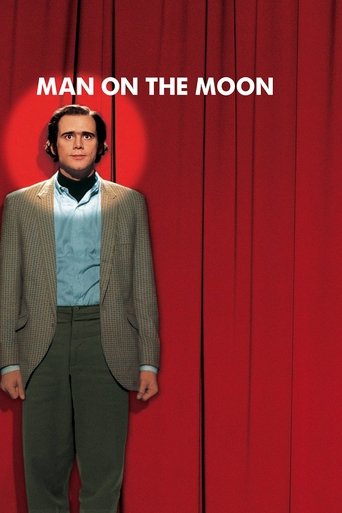
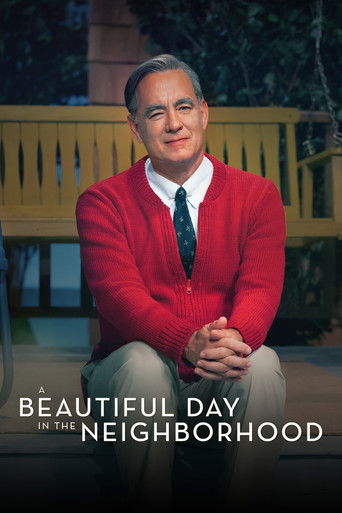
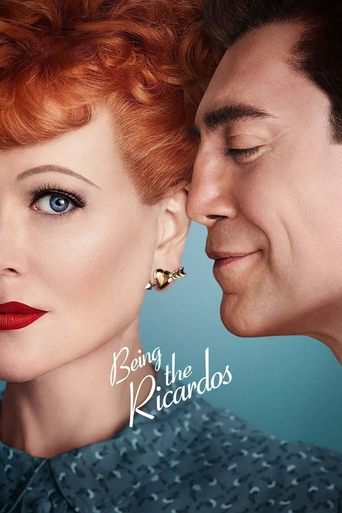
The channel Making television holds thirteen films from 1982 to 2024 about the people who make the programmes, and many of them are true. Being the Ricardos, of 2021, by Aaron Sorkin, with Nicole Kidman as Lucille Ball and Javier Bardem as Desi Arnaz, follows one week of I Love Lucy in 1952; Saturday Night, of 2024, by Jason Reitman, the newest film of the channel, follows the ninety minutes before the first broadcast of Saturday Night Live, on 11 October 1975, with Gabriel LaBelle as the young producer Lorne Michaels; A Beautiful Day in the Neighborhood, of 2019, by Marielle Heller, with Tom Hanks as Fred Rogers, the gentle host of the children's programme of public television, follows a cynical journalist who comes to write a profile of him; and Man on the Moon, of 1999, by Miloš Forman, with Jim Carrey as the comedian Andy Kaufman, the star of Taxi, shares the best rating of the channel, 7.2, with Tootsie.
The darker biographies are Auto Focus, of 2002, by Paul Schrader, with Greg Kinnear as Bob Crane, the star of Hogan's Heroes, and Willem Dafoe as the friend who led him into a double life, and Behind the Candelabra, of 2013, by Steven Soderbergh, with Michael Douglas as the pianist Liberace, a star of television in the 1950s, and Matt Damon as his young companion. Bamboozled, of 2000, by Spike Lee, with Damon Wayans, is a satire about a Black writer of a network who pitches a modern minstrel show to get himself fired and watches it become a hit.
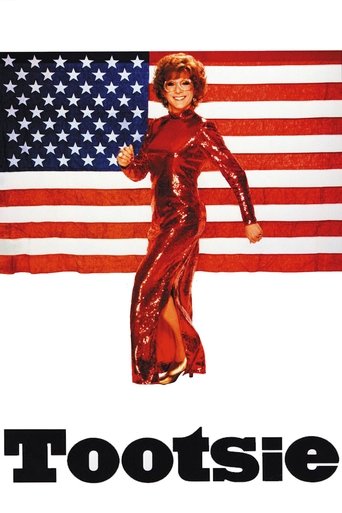
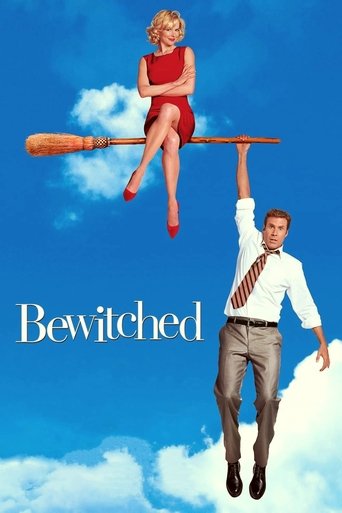
The fictions of the channel come from the soap opera and the musical. Tootsie, of 1982, by Sydney Pollack, with Dustin Hoffman as an out-of-work actor who disguises himself as a woman to win a part in a hospital soap opera, gave Jessica Lange the Academy Award; Soapdish, of 1991, with Sally Field and Kevin Kline, is the backstage farce of another soap. Hairspray appears twice: the comedy of John Waters, of 1988, with Ricki Lake and Divine, and the musical of 2007, by Adam Shankman, the most voted film of the channel, with Nikki Blonsky as Tracy Turnblad, a teenager of Baltimore in 1962 who dances her way onto a local television show and fights to open it to Black dancers, with John Travolta as her mother. The Muppets, of 2011, with Jason Segel and Amy Adams, reunites Kermit and his friends for a telethon to save their old theatre, and Bewitched, of 2005, by Nora Ephron, with Nicole Kidman and Will Ferrell, imagines a real witch cast in a remake of the sitcom; Kidman appears in four films of the guide.
Channel surfing
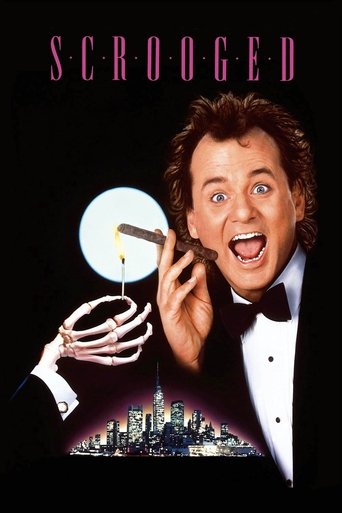
The channel Channel surfing holds thirteen comedies from 1974 to 2006 about the screens of home, and its best rated and most voted film is Groundhog Day, of 1993, by Harold Ramis, with a 7.6: Bill Murray plays Phil Connors, a grumpy television weatherman sent to report on a groundhog in a small town of Pennsylvania, who wakes up every morning on the same day. Bill Murray plays another television man in Scrooged, of 1988, by Richard Donner, as the cruel president of a network who stages a live version of A Christmas Carol and is visited by three ghosts, and Nicolas Cage plays a weatherman in Chicago in The Weather Man, of 2005, by Gore Verbinski, with Michael Caine as his father.
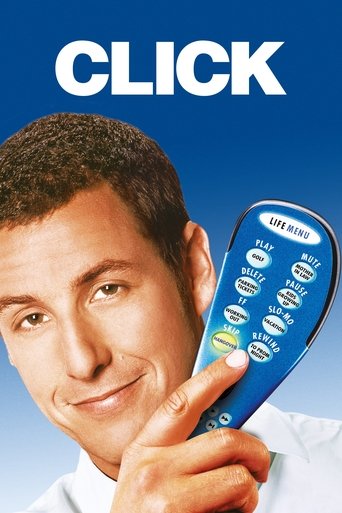
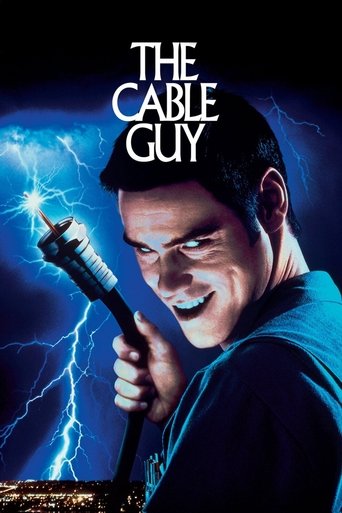
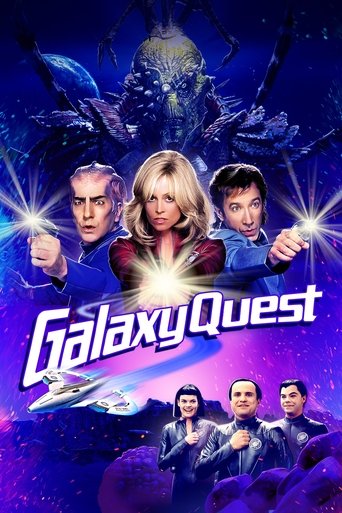
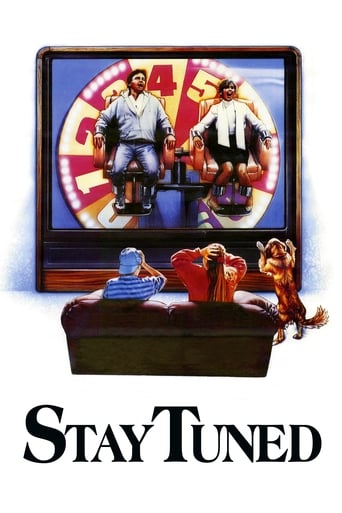
The remote control is the hero of several films. In Click, of 2006, Adam Sandler finds a universal remote that can pause, mute and skip the moments of his own life, the closest film in the guide to the name of the site; in Stay Tuned, of 1992, John Ritter and Pam Dawber are sucked into a satellite dish and must survive a hellish cable network, and in The Cable Guy, of 1996, by Ben Stiller, Jim Carrey plays a lonely cable installer raised by television; Carrey appears in four films of the guide. Galaxy Quest, of 1999, with Tim Allen and Sigourney Weaver, follows the cast of an old science fiction series, whom aliens take for real heroes, with a 7.1.
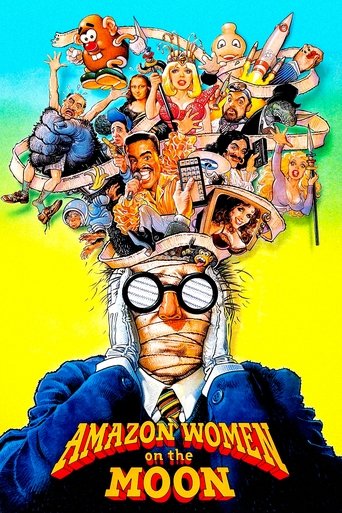
The parodies of the dial are the rest of the channel. Wayne's World, of 1992, by Penelope Spheeris, from the sketch of Saturday Night Live, follows Mike Myers and Dana Carvey as two friends who host a public-access show from a basement in Aurora, Illinois, with a famous scene that mocks product placement while doing it, and Wayne's World 2, of 1993, continues the story. UHF, of 1989, with 'Weird Al' Yankovic, follows a dreamer who takes over a small television station and fills it with absurd programmes. The sketch films are the oldest: The Groove Tube, of 1974, the first screen role of Chevy Chase and, at 75 minutes, the shortest film of the guide; The Kentucky Fried Movie, of 1977, by John Landis, written by the team that later made Airplane!, and Amazon Women on the Moon, of 1987, a parody of a night of late television, interrupted by fake commercials and B movies.
Out of the box
The last family, Out of the box, gathers 37 films in which the screen reaches out to the viewer: televisions that swallow their owners or let ghosts through, reality shows and social networks that turn ordinary people into celebrities or victims, and futures in which advertising covers every surface of the city. It is the most voted family of the guide, with about 161,300 votes, and it holds the best rated film of all, The Truman Show. The guide Out of the box sums it up.
Through the screen
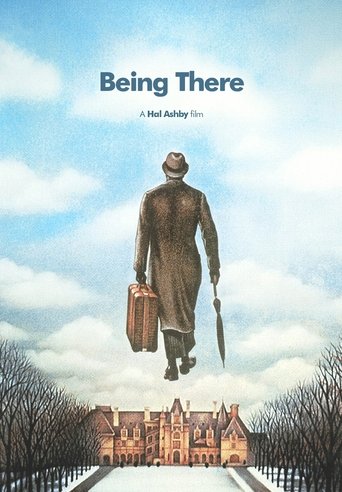
The channel Through the screen holds eleven films from 1979 to 2002 about the television set as a door. Its most voted and best rated film is The Truman Show, of 1998, by Peter Weir, with an 8.2, the best rating of the whole guide: Jim Carrey plays Truman Burbank, an insurance salesman who slowly discovers that his town is a giant studio, his wife and his best friend are actors, and his whole life has been broadcast live since his birth, paid for by the products the cast slips into every conversation. Ed Harris plays Christof, the creator of the show, who watches him from a control room in the artificial moon. Being There, of 1979, by Hal Ashby, the oldest film of the channel, with a 7.6, is its mirror: Peter Sellers plays Chance, a simple gardener who knows the world only from television and becomes, by a chain of misunderstandings, the adviser of a president.
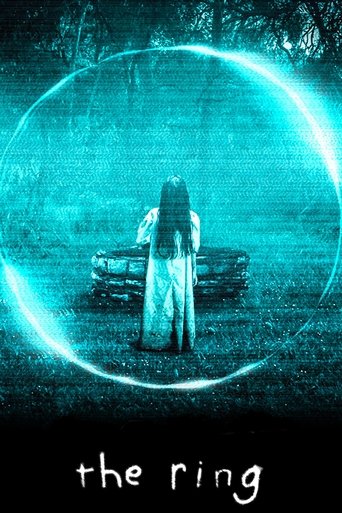
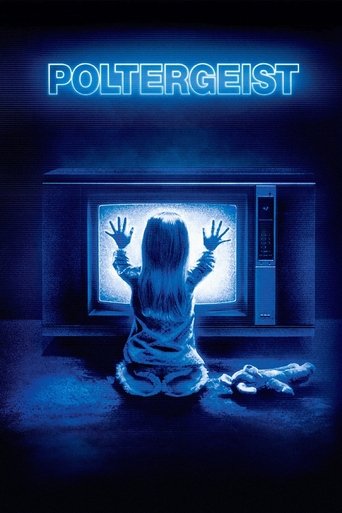
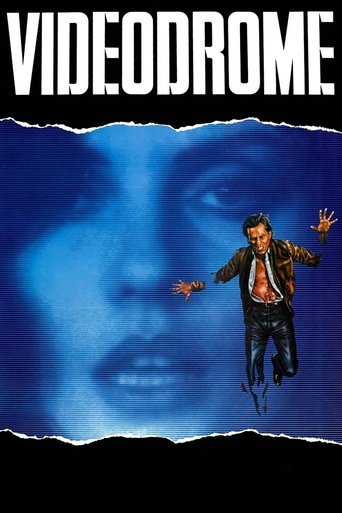
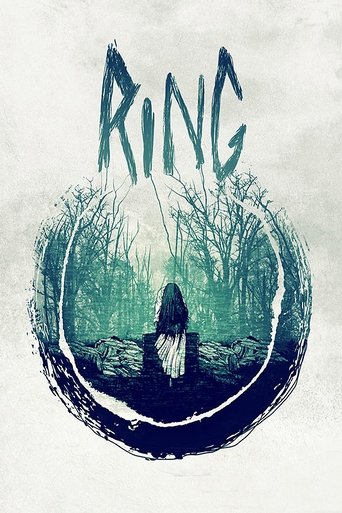
The other side of the screen is often a nightmare. In Poltergeist, of 1982, by Tobe Hooper, a little girl talks to the static of the family television until the spirits come through it and take her away, and in Ring, of 1998, by Hideo Nakata, the Japanese original, a cursed videotape kills its viewers seven days after they watch it, until the ghost of Sadako crawls out of the screen; Gore Verbinski remade it in America as The Ring, of 2002, with Naomi Watts, the second most voted film of the channel. Videodrome, of 1983, by David Cronenberg, with James Woods as the president of a small cable channel who discovers a pirate signal that changes the bodies of those who watch it, is the most disturbing film of the guide about television; Shocker, of 1989, by Wes Craven, sends an executed killer through the electric cables and the television sets of a city, and Brainscan, of 1994, with Edward Furlong, traps a teenager inside an interactive horror game.
The lighter journeys through the screen are Pleasantville, of 1998, by Gary Ross, with Tobey Maguire and Reese Witherspoon as two teenagers of the 1990s sent by a strange television repairman into a sitcom of the 1950s in black and white, which slowly turns to colour as they change its rules, and Gremlins 2: The New Batch, of 1990, by Joe Dante, set in the skyscraper of a media mogul with its own cable network, where the gremlins even interrupt the film itself. Funny Games, of 1997, by Michael Haneke, in German, with a 7.3, is the coldest film of the channel: two polite young men take a family hostage at their lake house, and one of them speaks to the audience and uses a remote control to rewind the film itself.
Reality, fame and the feed
The channel Reality, fame and the feed holds thirteen films from 1979 to 2023 about ordinary people who become a show, first on television and then on the internet. The oldest is Real Life, of 1979, the first film of Albert Brooks, a parody of the documentary series An American Family in which a director moves his film crew into the home of a family of Phoenix, with Charles Grodin as the father. EDtv, of 1999, by Ron Howard, with Matthew McConaughey as a video store clerk who agrees to be filmed every hour of the day for a cable channel, and Woody Harrelson as his brother, arrived a year after The Truman Show; and To Die For, of 1995, by Gus Van Sant, with Nicole Kidman as a local weather girl who will do anything to become a television star, including the murder of her husband, played by Matt Dillon.
The fans of the screen are here too. Nurse Betty, of 2000, by Neil LaBute, with Renée Zellweger as a waitress who, after a shock, believes that the doctor of her favourite soap opera is real and drives to Los Angeles to find him, with Morgan Freeman as the killer who follows her; American Dreamz, of 2006, with Hugh Grant as the host of a singing contest modelled on American Idol and Dennis Quaid as a president who agrees to be its guest judge. The channel then moves to the internet: Nerve, of 2016, with Emma Roberts and Dave Franco, the most voted film of the channel, follows a shy student who plays an online game of dares filmed by its watchers; The Circle, of 2017, with Emma Watson and Tom Hanks, follows a young employee of a giant technology company who agrees to live her whole life on camera, and The Bling Ring, of 2013, by Sofia Coppola, also with Emma Watson, tells the true story of the teenagers who robbed the homes of celebrities in Los Angeles in 2008 and 2009.
The influencers close the channel. Eighth Grade, of 2018, the first film of Bo Burnham, with a 7.1, the best rating of the channel, follows Elsie Fisher as a shy girl who posts advice videos to a tiny audience during her last week of middle school; Ingrid Goes West, of 2017, with Aubrey Plaza as a lonely young woman who moves to Los Angeles to befriend an Instagram star, played by Elizabeth Olsen; Spree, of 2020, with Joe Keery as a rideshare driver who streams his crimes live in the hope of going viral, and two horror films of the feed, the Polish Sweat, of 2020, about three days in the life of a fitness star of Warsaw, and Influencer, of 2023, about a travel influencer in Thailand who meets a stranger with very different plans.
Ads of the future
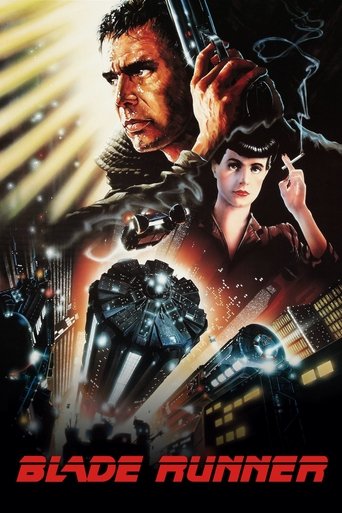
The channel Ads of the future holds thirteen films from 1966 to 2017 that imagine the advertising of tomorrow, and it is the most voted channel of the guide, with about 94,800 votes, and the best rated, with an average of 7.04. Its best rated film is WALL·E, of 2008, by Andrew Stanton, with an 8.1: a small robot cleans an Earth buried in the rubbish of a single giant company, Buy n Large, whose billboards still smile over the empty streets, while the last humans float in space on a cruise ship where screens sell them drinks all day. Blade Runner, of 1982, by Ridley Scott, with a 7.9, gave the cinema its image of the future city, a Los Angeles of 2019 where giant video screens and neon logos light the rain, and Blade Runner 2049, of 2017, by Denis Villeneuve, with Ryan Gosling, adds a holographic companion sold as a product; at 164 minutes it is the second longest film of the guide.
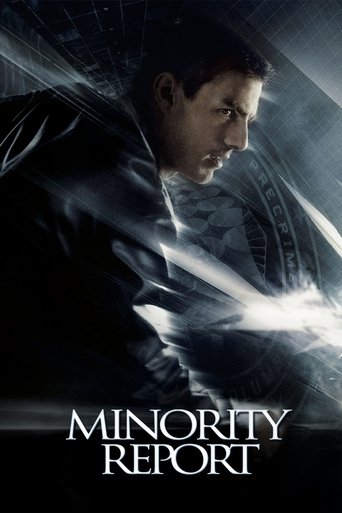
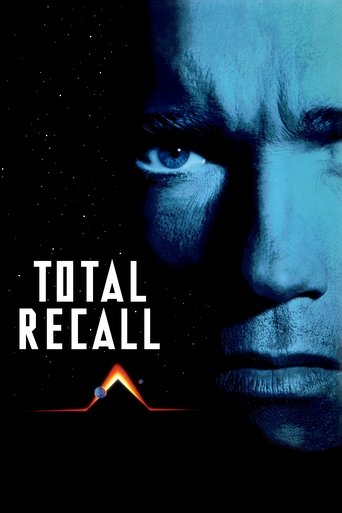
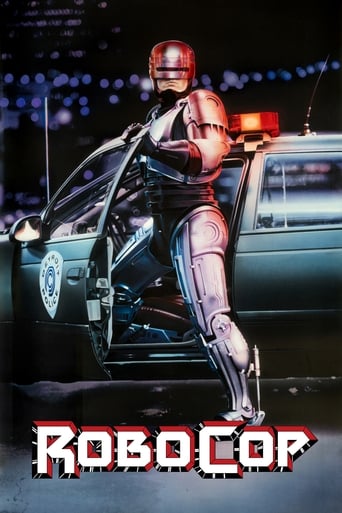
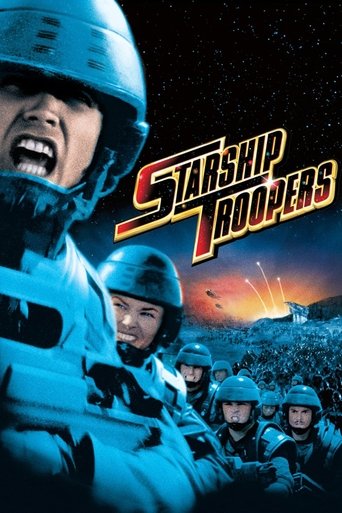
Paul Verhoeven made three films of the channel, each with its own fake commercials. RoboCop, of 1987, with Peter Weller as a police officer rebuilt as a cyborg by a corporation of Detroit, interrupts its story with news bulletins and advertisements for absurd products; Total Recall, of 1990, with Arnold Schwarzenegger, shows a company that sells memories of holidays on Mars through its commercials, and Starship Troopers, of 1997, presents its war against giant insects through the recruitment films of a militarised future; the guide The Verhoeven commercials looks at the three. Minority Report, of 2002, by Steven Spielberg, with Tom Cruise, imagines billboards that scan the eyes of passers-by and call them by name, and Demolition Man, of 1993, set in 2032, with Sylvester Stallone and Wesley Snipes, imagines a peaceful future in which the radio plays old advertising jingles as hits and every restaurant belongs to the same chain.
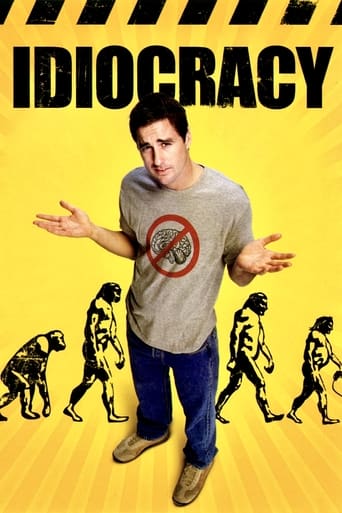
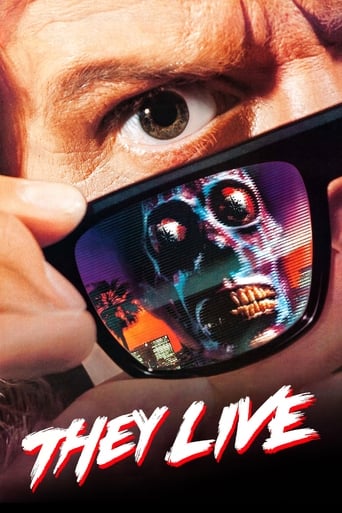
The satires of the channel go further. In They Live, of 1988, by John Carpenter, with Roddy Piper, a drifter finds a pair of sunglasses that reveal the hidden messages behind every billboard and magazine: Obey, Consume, Marry and Reproduce. Idiocracy, of 2006, by Mike Judge, with Luke Wilson and Maya Rudolph, imagines an America of the year 2505 so ruled by its brands that the crops are watered with a sports drink, and Josie and the Pussycats, of 2001, with Rachael Leigh Cook, follows a pop band that discovers its records carry subliminal messages for the products of their sponsors; the film itself is stuffed with logos as a joke. Fahrenheit 451, of 1966, by François Truffaut, the oldest film of the channel and his only film in English, with Julie Christie in two roles and Oskar Werner, imagines homes whose walls are television screens and a state that burns books, and the Russian Branded, of 2012, the lowest rated film of the guide, with a 4.7, imagines a marketing man who can see brands as monsters feeding on their customers.
The directors
A few directors return to the subject. Paul Verhoeven made the three satires of the channel Ads of the future, RoboCop, Total Recall and Starship Troopers, all with fake commercials of their own. Barry Levinson made three films on three channels: the radio of Good Morning, Vietnam, the spin of Wag the Dog and the talk show host of Man of the Year. George Clooney directed three films on three more: the reporter of Good Night, and Good Luck., the game show producer of Confessions of a Dangerous Mind and the press secretary of The Ides of March. Gary Ross made the first Hunger Games and Pleasantville, Gore Verbinski The Ring and The Weather Man, John Carpenter The Fog and They Live, Adam McKay the two Anchorman films, Norman Jewison The Thrill of It All and Rollerball, Ron Howard EDtv and Frost/Nixon, Jason Reitman Thank You for Smoking and Saturday Night, and Betty Thomas Private Parts and The Late Shift. The guide The directors lists them all.
The stars
Woody Harrelson is billed in five films of the guide, more than any other actor: the two first Hunger Games, Wag the Dog, EDtv and A Prairie Home Companion. Five actors follow with four films each. Robert De Niro is the fan of The King of Comedy, the host of Joker, the spin doctor of Wag the Dog and the father of Joy; Jim Carrey is the man inside The Truman Show, the reporter of Bruce Almighty, the comedian of Man on the Moon and the lonely installer of The Cable Guy; Dustin Hoffman is the ad man of Kramer vs. Kramer, the producer of Wag the Dog, the reporter of Mad City and the actor in disguise of Tootsie, and Nicole Kidman is the weather girl of To Die For, the witch of Bewitched, Lucille Ball in Being the Ricardos and the anchor Gretchen Carlson in Bombshell, and Christopher Walken appears in Click, Hairspray, Wayne's World 2 and Man of the Year. Robin Williams appears in three films, and Will Ferrell, Steve Carell, Bill Murray, Emma Watson, Cary Grant and Doris Day in two or three each. The guide The stars lists the actors who appear most often.
True stories of the box
About 25 films of the guide tell real events, and together they form a short history of American media. The 1950s are the decade of Good Night, and Good Luck., Edward R. Murrow against McCarthy; of Quiz Show, the scandal of Twenty-One; of Being the Ricardos, Lucille Ball and I Love Lucy, and of the live comedy of the time recalled in My Favorite Year. The 1960s and 1970s bring Good Morning, Vietnam, the disc jockey of Saigon; The Boat That Rocked, the pirate radio ships of Britain, loosely based on Radio Caroline; Saturday Night, the first night of Saturday Night Live; Frost/Nixon, the interviews of 1977; Christine, the reporter of Sarasota, and Confessions of a Dangerous Mind, the producer of The Gong Show. The 1980s and 1990s bring Air, Tetris, Man on the Moon, Private Parts, The Insider and The Late Shift, and the 2000s and 2010s Truth, Bombshell, BlackBerry, Super Size Me and The Bling Ring. The guide True stories of the box puts them in order.
The decades of the ad break
By decade, the guide holds one film of the 1940s, four of the 1950s, four of the 1960s, eleven of the 1970s, 21 of the 1980s, 35 of the 1990s, 33 of the 2000s, 29 of the 2010s and fourteen of the 2020s. The 1950s are the age of the ad man and the first television stars, from Will Success Spoil Rock Hunter? to A Face in the Crowd; the 1970s are the age of the great media satires, from Network to the deadly sports of Rollerball and Death Race 2000; the 1980s and 1990s are the age of cable, of the remote control and of the cursed videotape, and the 1990s, the largest decade of the guide, end with The Truman Show, EDtv and the first fears of reality television. The 2020s belong to the brand biography, with five films of 2023 alone. The collection Before 1980 gathers the twenty oldest films, from Mr. Blandings Builds His Dream House, of 1948, to Being There, of 1979, in order of release.
SkipTheCommercials in figures
The 152 films of the guide carry about 445,700 votes on TMDB, with an average rating of 6.72; five of them reach 8 or more, The Truman Show, WALL·E, Joker, Flamin' Hot and North by Northwest, and the collection Rated 7.5 or more gathers the nineteen films rated 7.5 or more, best first, from The Truman Show down to The Insider. The most voted films are Joker, with about 28,500 votes, The Hunger Games, The Truman Show and WALL·E. Together the films last 16,521 minutes, about 275 hours of programmes with every advertising break skipped; the longest is Magnolia, with 189 minutes, and the shortest is The Groove Tube, with 75. The guide The figures gathers every number.
Where to begin
For a first evening, start with one film from each family. From The ad break, try North by Northwest, the ad man on the run, or Thank You for Smoking, the cheerful spokesman of tobacco. From On the air, try Network, the satire that predicted the news of today, or Good Morning, Vietnam, for Robin Williams at the microphone. From Prime time, try Quiz Show for the true scandal of the quiz, or Groundhog Day for the weatherman who lives the same day again and again. And from Out of the box, try The Truman Show, the best rated film of the guide, or They Live, the sunglasses that reveal what every billboard really says. Then follow a theme across the channels: the brand biographies of 2023, the Verhoeven satires, or the films of Robert De Niro on both sides of the talk show couch. The guide Start with SkipTheCommercials gives one pick from each channel.
How to use SkipTheCommercials
The home page opens with the introduction and the channel guide, a black grid of twelve boxes numbered from 01 to 12. Each box shows the family in red, the full name of the channel and its number of films, and leads to its row on the same page. Each row is a white panel with a red ON AIR dot in its heading, a line of posters and a yellow Watch the channel button that opens the full channel. The menu in the black header leads to the four families, and the search box finds any film by its title; the guide Search tips explains how.
Each poster carries the year of release in a red corner and the TMDB rating in a black one, and, in a dark band at the bottom, the tag of its channel with the skip symbol, for example Newsroom or Future ad; under the poster come the first genre and the running time. The page of each film has the English synopsis, the cast, the director and the genres. The Watch now button opens the film on JustWatch, which shows the services that offer it in your country, and the button Add to My List keeps it in My list, stored in your browser. The guide How to use SkipTheCommercials explains each part, and the guide The Watch now button explains how JustWatch works.
Questions
What is SkipTheCommercials
An English guide to 152 films about advertising, television and radio, on twelve channels in four families.
Why this name
The site is read as a guide to the films where the commercials and the broadcasts are the story.
How were the films chosen
By hand from TMDB, among films whose characters work in advertising or broadcasting or whose story turns on the screen.
Which film has the most votes
Joker, with about 28,500 votes on TMDB.
Which film is the best rated
The Truman Show, with an 8.2.
Which is the oldest film
Mr. Blandings Builds His Dream House, of 1948.
Which is the newest film
The Running Man, of 2025, by Edgar Wright.
Which is the longest film
Magnolia, with 189 minutes.
Which actor appears most often
Woody Harrelson, billed in five films.
Where can I watch the films
The Watch now button opens each film on JustWatch, which shows the services that offer it in your country.
Where is My list kept
In your browser, on the device where you create it.
